Modern Performance Management: Embracing Continuous Feedback for SMBs
Discover how SMBs can transform performance management by adopting continuous feedback. Learn practical strategies, real-world examples, and the...
Discover 7 research-backed HR strategies to build a thriving feedback culture in 2026. Learn from Adobe's proven model and boost employee engagement today.
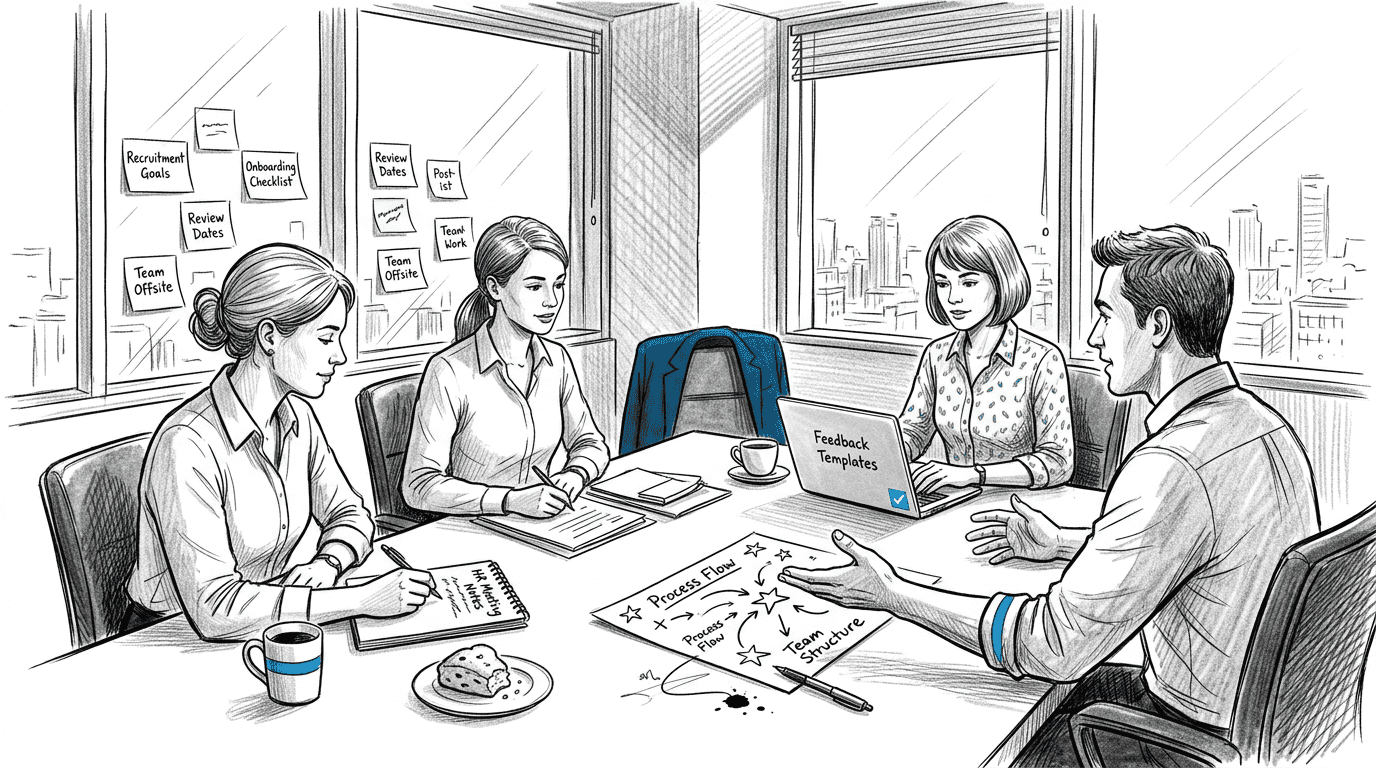
Building a thriving feedback culture remains one of HR's toughest challenges. Most organizations struggle to move beyond annual reviews toward continuous, meaningful dialogue. Yet research shows that frequent, balanced feedback dramatically boosts employee engagement and retention. This article delivers seven practical, evidence-based strategies you can implement immediately. Drawing on Adobe's proven framework and recent workplace studies, these tips help small to medium-sized organizations create sustainable feedback systems that energize teams and drive performance in 2026.
| Point | Details |
|---|---|
| Frequent feedback drives retention | Organizations with strong feedback cultures see 14.9% lower turnover rates |
| 360-degree insights enhance leadership | Multiple perspectives improve leadership effectiveness by up to 30% |
| Psychological safety enables honesty | Teams with high safety levels show increased learning behaviors and open communication |
| Recognition gaps hurt engagement | Only 23% of employees feel they receive adequate recognition for contributions |
| Structured systems save time | Adobe's frequent check-in model saved managers 100,000 hours annually |
Defining what makes feedback effective sets the foundation for your entire culture. Without clear criteria, feedback becomes inconsistent, confusing, and often counterproductive. Start by establishing transparent goals and expectations that guide every conversation. When employees understand what success looks like, feedback becomes a roadmap rather than a mystery.
Balance positive reinforcement with developmental guidance. Research confirms that setting clear expectations and sharing constructive feedback increases motivation while decreasing attrition. Avoid the common trap of focusing solely on problems. Recognition of strengths builds confidence and creates receptivity to growth areas.
Make feedback a two-way street. Employees should feel empowered to share upward feedback and contribute to shaping team norms. This reciprocal approach builds trust and demonstrates that feedback serves learning, not just evaluation. When criteria emphasize growth over judgment, conversations become collaborative rather than confrontational.
Consider these essential criteria for your feedback framework:
Implementing strategies to boost employee engagement requires this foundational clarity. Without it, even frequent conversations fail to drive meaningful change.
Adobe revolutionized performance management by replacing annual reviews with frequent check-ins. Their three-tier framework focuses on Development, Feedback, and Goals, creating structure without bureaucracy. This approach transformed manager effectiveness and employee satisfaction simultaneously.
The results speak volumes. Adobe's implementation saved managers 100,000 hours yearly while improving engagement scores. The secret lies in replacing lengthy annual processes with brief, focused conversations that happen when they matter most. Managers spend less total time on performance discussions yet deliver far greater impact.
Here's how to structure your frequent feedback sessions:
Pro Tip: Create simple templates that capture discussion highlights without becoming administrative burdens. A few bullet points per session maintain continuity without overwhelming managers or employees.
Flexibility matters as much as consistency. Some team members thrive with weekly check-ins, while others prefer monthly conversations. The framework provides structure, but customization ensures relevance. This adaptable approach to continuous feedback strategies respects individual working styles while maintaining organizational standards.
360-degree feedback gathers performance insights from multiple sources: managers, peers, direct reports, and sometimes clients. This comprehensive view reveals blind spots that single-source feedback misses. Leaders especially benefit from understanding how different stakeholders experience their impact.

The evidence is compelling. Research shows 360-degree feedback increases leadership effectiveness by up to 30%. Multiple perspectives create a fuller picture of strengths and development needs. A manager might excel at strategic thinking but struggle with team communication. Peers and direct reports surface these nuances that upward feedback alone cannot capture.
Implement 360-degree feedback thoughtfully to maximize value:
Common pitfalls undermine 360-degree programs. Lack of anonymity silences honest input. Unclear purposes create confusion about how results will be used. Overwhelming participants with lengthy surveys reduces response quality. Keep assessments focused on key competencies that matter for role success.
Pair 360-degree insights with constructive feedback examples to help managers translate data into actionable development conversations. Raw scores mean little without context and guidance for improvement.
Psychological safety determines whether feedback cultures thrive or fail. When team members fear judgment or retaliation, they withhold honest input. Conversely, safe environments transform feedback into fuel for collective learning and innovation.
Harvard research confirms psychological safety correlates positively with learning behavior in work teams. Employees in psychologically safe environments admit mistakes, ask questions, and offer dissenting views without fear. This openness accelerates problem-solving and prevents small issues from becoming major failures.
Leaders build psychological safety through consistent behaviors:
Regular team conversations about communication norms reinforce safety. Ask what helps people feel comfortable sharing honest feedback. Discuss what behaviors undermine trust. Make these discussions ongoing, not one-time events. Safety requires continuous cultivation, especially as teams evolve.
Pro Tip: Introduce anonymous feedback tools initially if your culture lacks openness. As trust builds, transition toward more direct conversations. Anonymity serves as training wheels, not a permanent solution.
Combining safety with skill development amplifies impact. Review practical strategies for improving feedback conversations to ensure your team knows how to give and receive input effectively. Safety without skill still produces awkward, unproductive exchanges.
Recognition forms the positive foundation of effective feedback cultures. Yet most organizations fall short. Only 23% of employees strongly agree they receive the right amount of recognition, while 34% report lack of acknowledgment for their contributions. This gap represents massive missed opportunity for engagement and retention.
Meaningful recognition goes beyond generic praise. It acknowledges specific contributions and connects individual efforts to team or organizational success. Effective recognition answers three questions: What did you do? Why did it matter? How did it help others or advance our goals?
Implement these recognition practices to close the gap:
Surprisingly, only 10% of employees are asked how they prefer to be recognized. This simple conversation prevents awkward mismatches, like public praise for someone who finds it embarrassing. Ask your team members directly about their preferences and document them for future reference.
| Recognition Frequency | Engagement Impact | Retention Benefit |
|---|---|---|
| Weekly or more | 80% fully engaged | 25% lower turnover |
| Monthly | 45% engaged | 12% lower turnover |
| Quarterly | 28% engaged | 5% lower turnover |
| Annual only | 15% engaged | No significant impact |
This data illustrates the direct relationship between recognition frequency and outcomes. More frequent, specific acknowledgment drives dramatically higher engagement and retention. Explore practical tips to boost employee recognition for additional implementation ideas that fit your organizational culture.
No single feedback method suits every organization. Your company size, culture, and resources determine the optimal approach. Understanding the tradeoffs helps you make informed decisions rather than following trends blindly.
| Approach | Best For | Pros | Cons | Time Investment |
|---|---|---|---|---|
| Annual reviews | Compliance-focused orgs | Structured, documented | Infrequent, backward-looking | High (concentrated) |
| Frequent check-ins | Growth-oriented teams | Timely, relevant, agile | Requires discipline | Moderate (distributed) |
| 360-degree feedback | Leadership development | Comprehensive insights | Complex to administer | High (periodic) |
| Peer recognition | Collaborative cultures | Builds team bonds | May miss development needs | Low (ongoing) |
| Continuous feedback | High-performing teams | Real-time, contextual | Needs strong culture | Low (embedded) |
Most successful organizations combine multiple approaches. Frequent check-ins form the backbone, supplemented by periodic 360-degree assessments for leaders and continuous peer recognition for everyone. This layered strategy captures both developmental and motivational feedback needs.
The stakes are significant. Organizations with strong feedback cultures experience 14.9% lower turnover rates. This translates to substantial savings in recruitment, training, and lost productivity. For a 100-person organization, that difference could mean retaining 15 additional employees annually.
Small to medium organizations should prioritize simplicity over sophistication. Start with frequent check-ins using a basic template. Add peer recognition through existing communication channels. Introduce 360-degree feedback for managers once the foundation is solid. This phased approach prevents overwhelm while building capability.
Review various employee feedback methods to understand implementation nuances for each approach. The right combination depends on your current maturity level and strategic priorities for 2026.
Building the feedback culture described in this article requires the right tools. Spreadsheets and scattered notes cannot support frequent check-ins, 360-degree feedback, and continuous recognition at scale. EvalFlow consolidates these capabilities into one AI-powered platform designed specifically for organizations committed to employee development.
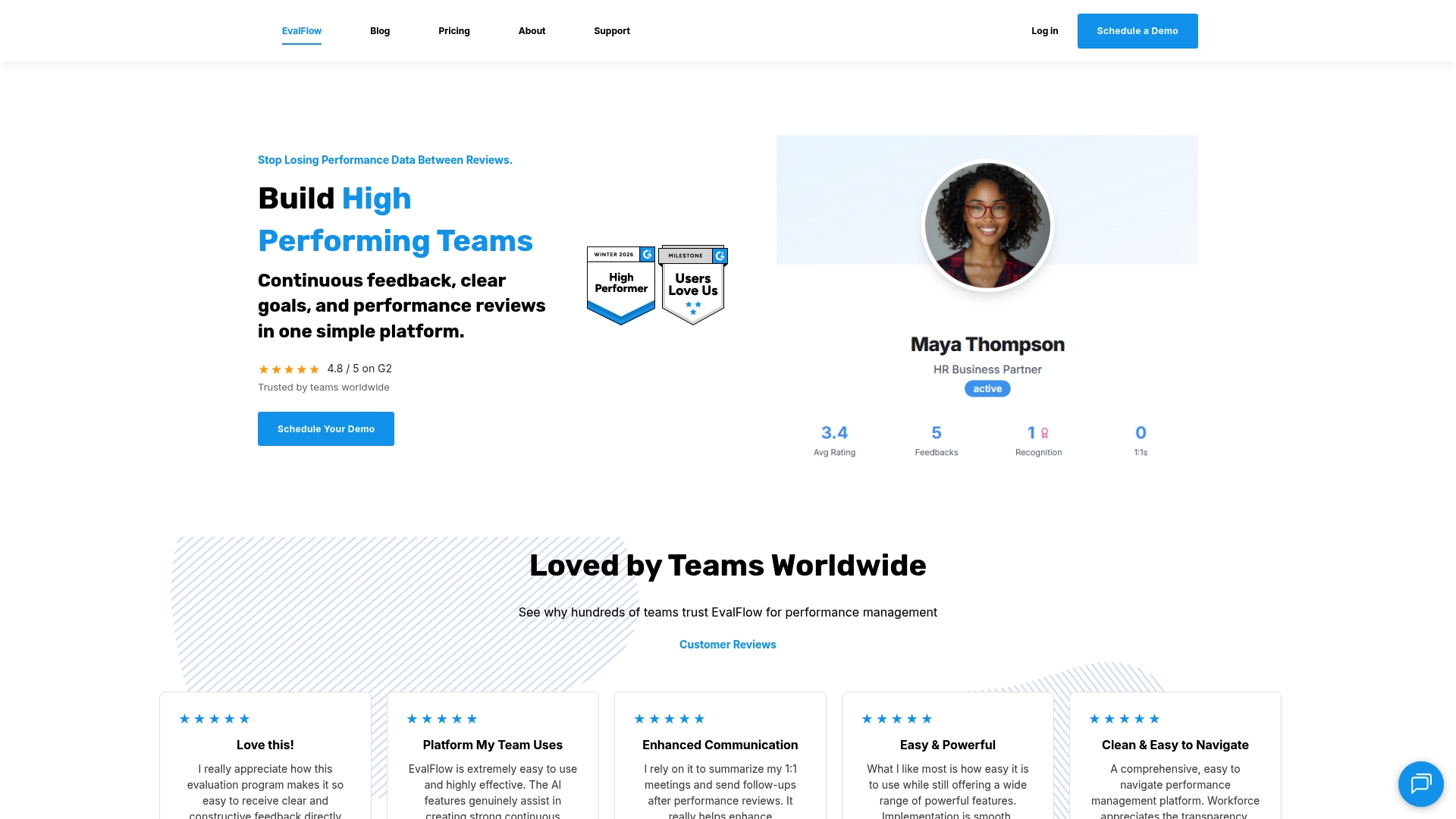
The platform streamlines frequent check-ins with customizable templates and automated reminders, ensuring consistency without administrative burden. Managers access real-time visibility into team progress and achievements, while employees receive timely recognition and developmental guidance. EvalFlow's 360-degree feedback module simplifies multi-source assessments with anonymity protections and actionable reporting.
Integrations with Microsoft Teams and Slack embed feedback into your existing workflows, eliminating the need to adopt yet another standalone tool. This seamless approach drives adoption and sustains engagement over time. Explore how EvalFlow's feedback platform can transform your performance management approach and create the thriving culture your organization deserves.
Focus on balancing recognition of strengths with specific, actionable guidance for growth areas. Be timely, delivering feedback within days of observed behaviors rather than waiting for formal reviews. Frame discussions around future improvement and learning opportunities, not past failures or blame. Use concrete examples to illustrate points and ensure clarity. Review constructive feedback tips for detailed examples and conversation frameworks.
Research shows 80% of employees who received meaningful feedback in the past week are fully engaged. This suggests weekly touchpoints drive the highest engagement, though the optimal frequency varies by team needs and capacity. Many organizations find bi-weekly or monthly check-ins strike the right balance between impact and sustainability. Adjust based on project intensity, team maturity, and individual preferences. Explore continuous feedback frequency recommendations for different organizational contexts.
Recognition serves as the positive foundation that makes developmental feedback feel balanced and fair. It boosts morale, engagement, and retention by acknowledging contributions and reinforcing desired behaviors. Current data shows 34% of workers report lack of recognition for their contributions, signaling a major opportunity for improvement. Regular, specific recognition creates the psychological safety needed for honest developmental conversations. Learn more about employee recognition importance and implementation strategies.
Start with a pilot group of 5 to 10 leaders before rolling out broadly. Use simple, focused surveys covering 6 to 8 key competencies rather than exhaustive assessments. Ensure anonymity through third-party tools or minimum response thresholds. Provide training on interpreting results and creating development plans. Schedule follow-up conversations to track progress on identified growth areas. Small organizations benefit from keeping the process lean and directly tied to development goals rather than compensation decisions.
Track feedback frequency, aiming for at least monthly meaningful conversations between managers and team members. Monitor engagement survey scores related to recognition, development opportunities, and manager effectiveness. Measure voluntary turnover rates, particularly among high performers. Review the percentage of employees with documented development plans and progress updates. Survey employees directly about feedback quality and psychological safety. These combined metrics reveal whether your feedback culture drives the intended outcomes of engagement, growth, and retention.
Discover how SMBs can transform performance management by adopting continuous feedback. Learn practical strategies, real-world examples, and the...
A step-by-step guide for small business owners on streamlining performance reviews. Learn how to make reviews efficient, effective, and less...
Discover how small and medium businesses can simplify performance management with continuous feedback. Learn why costly, complex HR suites fail and...